Best Templates for a SaaS Landing Page

A SaaS landing page is not a website. It is a sales pitch that happens to load in a browser.
That distinction matters because most templates sold as "SaaS landing pages" are really just pretty homepages. They look great in a screenshot and convert nobody. If you are buying a template to point paid traffic at, you are buying a conversion structure, not a wallpaper.
So let me walk through what a strong SaaS landing template actually gives you, section by section, and why each part earns its place. I've built enough of these to have opinions.
The hero has to say what you do in one line
Someone clicks your ad, the page loads, and you have about three seconds. If the first thing they read is "Reimagine your workflow" they are already gone. That sentence could sell anything, which means it sells nothing.
A good hero states the value plainly. What does the product do, for whom, and what changes for them. "Invoicing software for freelancers who hate chasing payments" beats any amount of abstract poetry. The template should give you a headline slot, a one-line subhead, a single primary button, and a spot for a real product shot. Not five buttons. One.
That product shot is the part people skip and shouldn't. A screenshot of the actual interface, or a short looping demo, does more work than a stock illustration of a person pointing at a floating chart. Buyers want to see the thing. Our landing page templates leave a real image or embed slot in the hero for exactly this reason, sized so it doesn't push the button below the fold.
Social proof, the product, then the price
After the hero, the page has to answer the quiet question every visitor is asking: does anyone else use this, and can I trust it?
That's what social proof is for. A row of customer logos, a real quote or two, a number if you have an honest one. The template should have a clean band for this near the top, because trust that arrives after the pricing table arrives too late. Don't fake it. An empty logo row is better than invented companies, and a founder-written note ("I built this because I got tired of X") converts fine when you have no logos yet.
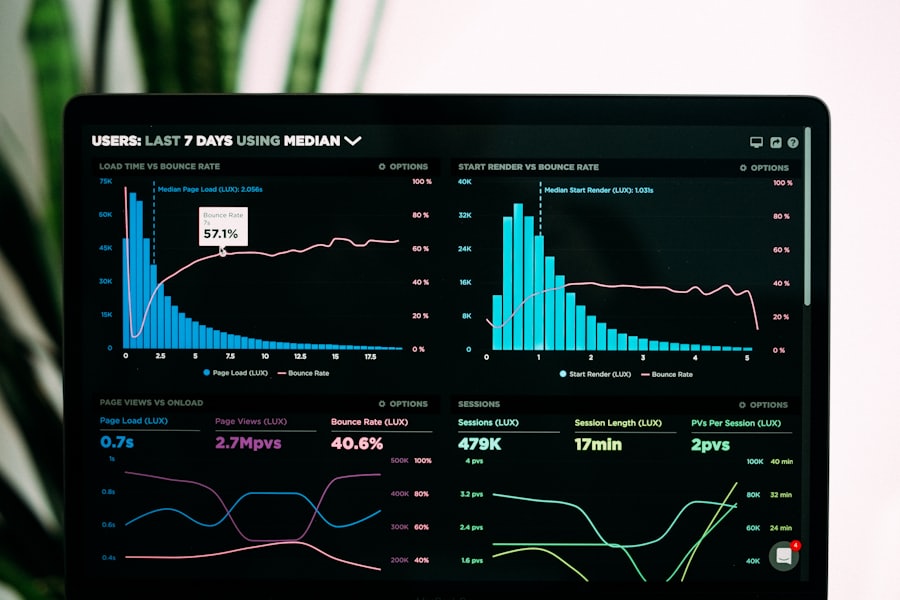
Then show the product working. Not another wall of feature bullets. Three or four blocks, each pairing one benefit with one visual: here's the dashboard, here's the report, here's the thing that saves you an afternoon. A template that structures features as image-plus-text rows will always beat one that dumps twelve icons in a grid.
And then, before the FAQ, put the pricing. People scroll looking for it. Hiding price behind a "contact sales" wall on a self-serve product just makes them bounce and check a competitor who shows theirs. The template needs a pricing section that reads cleanly at two or three tiers, with the recommended plan marked.
Here is the short version of what to check before you buy any SaaS template:
- Clear single-message hero with room for a real screenshot or demo
- A trust band (logos or quotes) placed high, not buried
- Feature blocks that show the product, not just describe it
- A readable pricing section and an FAQ that kills common objections
Speed is a conversion feature, not a nicety
Here's the part that gets ignored because it's invisible in a design mockup.
Paid traffic is impatient. People clicking an ad have zero investment in you, and a page that takes four seconds to become usable loses a real chunk of them before they read a word. Every animation library, hero video, and web font you pile on is buying visual polish with load time, and on landing pages that trade is usually a bad one.
This is where a lot of flashy templates fail. They open with a full-screen 3D scene or a scroll-jacking intro that looks incredible on the demo and then hangs on a mid-range phone over cellular. Animation is fine in small doses. Animation as the whole personality of the page is a tax your ad budget pays. I wrote more about that math in why a slow website quietly costs you sales, and the numbers are worse than most founders expect.
So when you evaluate a template, open its live demo on your phone, not your laptop. Watch how fast the headline appears. If the hero makes you wait, imagine your paid visitor doing the same, except they don't care about you yet.
A well-built SaaS template ships lean: static where it can be, images sized right, motion used to guide attention rather than to show off. That's less exciting to look at in a gallery and much better at making money.
Buy the structure, then make it yours
The best outcome from a template is that it hands you a proven skeleton so you spend your time on the words and the product shots, which are the parts only you can write.
Pick one that gives you the sections above in a clear order. Swap in your real headline, your real screenshot, your honest social proof. Cut anything that doesn't help someone decide. A shorter page that says one thing clearly will out-convert a long one that tries to say everything.
If you want to start from a solid base, our landing page templates are built around this conversion order rather than around a gallery screenshot. And if you'd rather have the page built and tuned for your specific product, or you want a signup flow and a chatbot wired in, tell us what you're launching and we'll scope it with you.
Either way, remember the job. Not "look impressive." Turn a click into a signup. Every section either helps that or it's decoration.
Ready when you are.
Browse landing page templatesGet the next one in your inbox
Occasional, practical notes on building sites that sell. No spam, unsubscribe anytime.
Keep reading

AI Agents That Write Code: What They Do Well and Where They Fail
An honest field report from a studio that uses coding agents every day. Where they genuinely help, where they still fail, and how we keep the wheel.
What AI Will Actually Change in the Next Five Years (and What It Won't)
A grounded take from a small studio on the AI changes that are already real and compounding, and the ones that are mostly noise.